I opened my laptop one quiet morning, coffee beside me, scrolling as I usually do. Somewhere between emails and headlines, one article stopped me in my tracks: AI Takes Center Stage at Harvard School of Dental Medicine Symposium.
I clicked.
As I read, I didn’t just see technology. I saw possibility. And a thought formed clearly in my mind:
AI is important.
And I am also important.
Because the future of dentistry isn’t about machines replacing us — it’s about dentists who learn AI, understand it, and implement it thoughtfully in daily practice and teaching.
Learning Never Looked Like This Before
Imagine this.
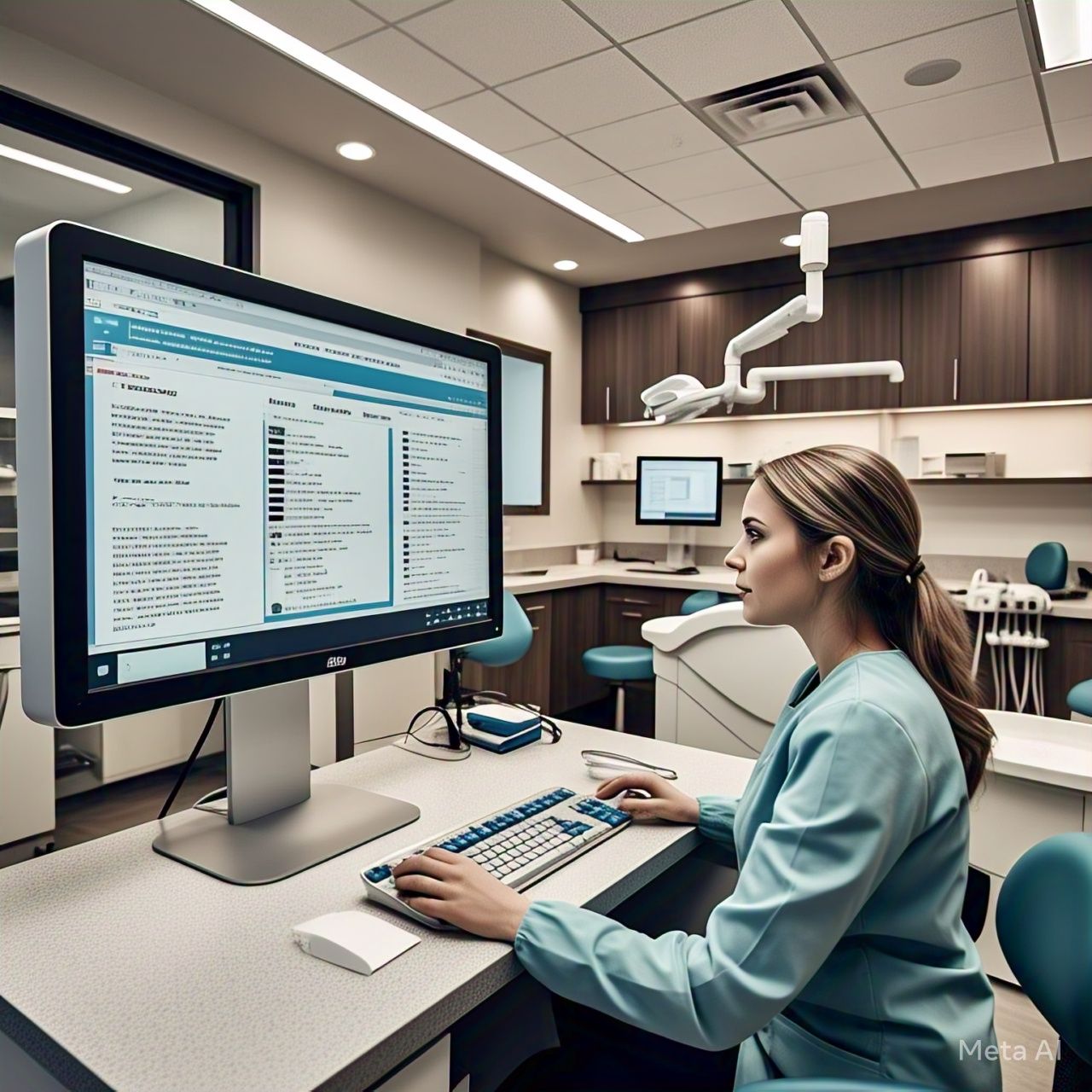
You’re in your clinic or your academic workspace. Beside you is a private tutor — one that never gets tired, never loses patience, and adapts perfectly to how you learn.
It can:
- Demonstrate a procedure step by step
- Show alternate approaches instantly
- Help refine technique
- Support teaching in real time
Not to replace mentors — but to enhance mastery.
That idea no longer feels futuristic. It feels inevitable.
AI tutors and personalized learning tools are already being discussed and developed for dental education. The classroom is no longer confined to four walls — it’s becoming intelligent, adaptive, and personal.
Imagine Help That Extends Your Hands, Not Replaces Them
Then my thoughts moved to the operatory.
Imagine a robot or AI-assisted system that:
- Helps with precision
- Enhances diagnostics
- Assists during procedures
- Supports complex decision-making
Not as a replacement for the dentist — but as an extension of the dentist.
That distinction matters.
Dentistry has always been a blend of art and science. AI strengthens the science — but the art remains human.
The Utopia of Treatment Planning Is Closer Than We Think
Now imagine treatment planning.
Not fragmented.
Not rushed.
Not based on limited data.
But instead:
- Comprehensive
- Evidence-based
- Personalized
- Continuously learning
AI can synthesize radiographs, clinical findings, medical history, and risk factors — helping us arrive at treatment plans that are smarter, faster, and more consistent.
That “utopia” of diagnosis and execution?
We are already standing at its doorstep.
Why This Moment Feels Different
As I reflected more, one thing became undeniable:
We are witnessing one of the most revolutionary times in the history of dentistry.
Not incremental change.
Not minor upgrades.
A true transformation — in education, clinical care, research, and patient engagement.
And this is exactly what the Harvard School of Dental Medicine’s Global Symposium on Artificial Intelligence in Dentistry highlighted.
Congress Summary: What the Harvard AI Symposium Revealed
The 2nd Global Symposium on Artificial Intelligence in Dentistry, hosted by Harvard School of Dental Medicine, brought together dentists, educators, researchers, and innovators from across the world to explore how AI is reshaping our profession.
Here are the key takeaways:
1. AI as a Teammate, Not a Tool
AI is evolving from a simple software tool into a collaborative partner — one that enhances decision-making rather than replacing clinicians.
2. Dentistry Integrated into Whole-Person Health
AI has the potential to connect dental data with broader medical systems, positioning dentistry more centrally within overall healthcare — not as a separate silo.
3. A New Era of Dental Education
AI-powered tutors and adaptive learning platforms can personalize dental education, support faculty, and help students achieve competency more efficiently and consistently.
4. Smarter Diagnostics and Precision Care
AI-assisted imaging and data analysis can act as a second opinion — improving early detection, risk assessment, and treatment outcomes.
5. Empowered Patients
Patients are already using AI tools to understand symptoms and treatments. This demands dentists who are informed, confident, and ready to guide AI-literate patients.
6. Workforce Evolution, Not Replacement
AI will automate administrative tasks and create new roles, freeing dentists to focus on complex care, critical thinking, and patient relationships.
7. Ethics, Governance, and Responsibility
Rapid innovation must be matched with ethical frameworks, data privacy protections, and clear accountability — especially when patient trust is involved.
The message was clear:
AI is not coming — it is already here.
The Truth That Matters Most
As I closed my laptop, one final thought stayed with me:
AI will evolve.
Technology will advance.
Systems will change.
But we remain essential.
We are the ones who:
- Build trust
- Make judgment calls
- Teach the next generation
- Bring empathy into care
So yes — AI is important.
But I — the dentist, the educator, the clinician —
am equally important.
The future of dentistry belongs to those who learn AI, guide it, and use it with wisdom.
And that future has already begun.
Dr. Syed Nabeel,
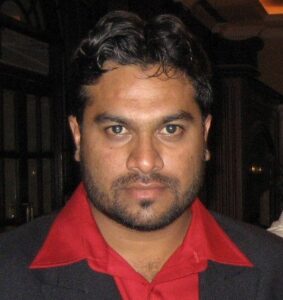
BDS, D.Orth, MFD RCS (Ireland), MFDS RCPS (Glasgow) MFDS RCS(Edin) , is a clinician-scholar whose career spans over two decades at the intersection of orthodontics, neuromuscular dentistry, and digitally integrated diagnostics. As Clinical Director of Smile Maker Clinics Pvt. Ltd., he has pioneered a philosophy of care rooted in anatomical precision, occlusal neurophysiology, and contemporary AI-enhanced workflows. A Diplomate in Orthodontics from Italy and an alumnus of advanced programs at Various International Universiteis , Dr. Nabeel brings a globally benchmarked clinical acumen to the nuanced management of temporomandibular disorders, esthetic rehabilitation, and algorithm-guided orthodontics.
In 2004, he founded DentistryUnited.com, a visionary platform connecting over 40,000 dental professionals through peer learning and collaborative dialogue. His academic drive led to the launch of Dental Follicle – The E-Journal of Dentistry (ISSN 2230-9489), a peer-reviewed initiative now indexed in EBSCO, fostering interdisciplinary scholarship across clinical domains.
A prolific educator, he has contributed to UGC and national broadcast media as a subject expert and regularly speaks at scientific forums, favoring small-group, discussion-based formats that emphasize clinical realism over theoretical abstraction. His ethos remains steadfast: knowledge, when shared freely, multiplies in value. Dr. Nabeel continues to shape the future of dentistry through research, mentorship, and his enduring commitment to elevating practice standards in India and beyond.